
Different Types of Cable Lugs: A Complete Guide
By:Admin
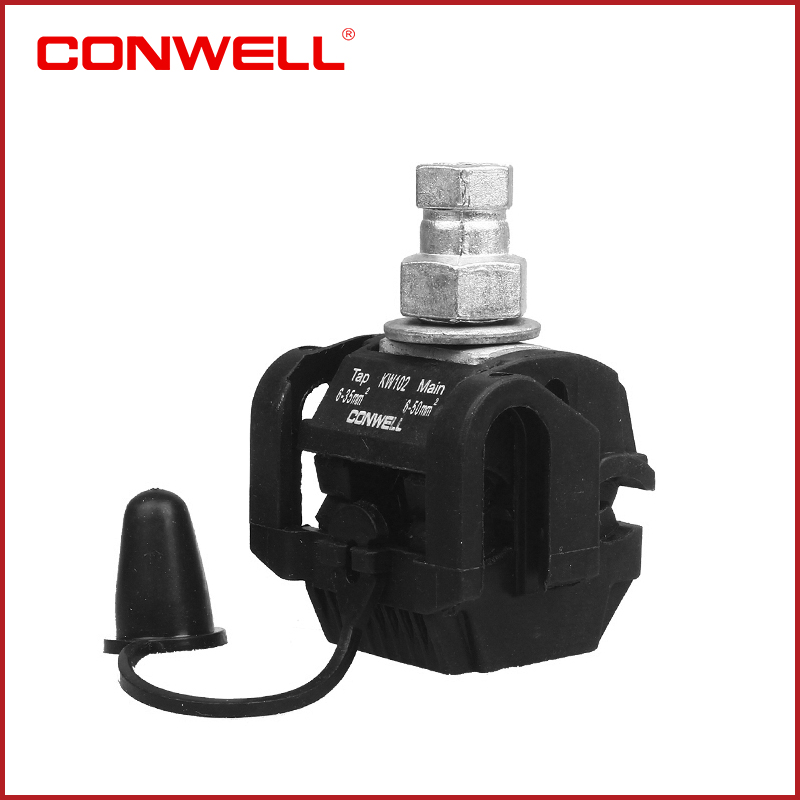
In the ever-evolving landscape of electrical installations and wiring, cable lugs play an essential role in ensuring secure and reliable connections. Selecting the right type of cable lug for a specific application is crucial for system performance, safety, and longevity. This article delves into the various types of cable lugs, their applications, and key considerations to help professionals and enthusiasts make informed decisions.
### What are Cable Lugs?
Cable lugs, also known as cable connectors or cable terminals, are components used to terminate and connect electrical cables safely and effectively. They provide a stable and robust connection point between cables and electrical equipment, such as switchgear, battery terminals, and control panels. Lugs are typically made from conductive materials like copper or aluminum, which offer low electrical resistance and excellent corrosion resistance.
### Common Types of Cable Lugs
Cable lugs can be classified based on their design, material, and application method. Below are some of the most widely used types:
1. **Crimp Lugs**
Crimp lugs are designed to be attached to cables by compressing the lug barrel around the conductor using a crimping tool. This creates a mechanical bond that ensures electrical continuity and mechanical strength. Crimp lugs are widely used due to their ease of installation and reliable performance in most electrical applications.
- *Applications:* Control panels, automotive wiring, battery connections, and low to medium voltage power distribution.
2. **Compression Lugs**
Compression lugs provide a highly secure connection by deforming the lug around the conductor using hydraulic or mechanical compression tools. These lugs are often preferred for high voltage and heavy-duty applications due to their ability to withstand mechanical stress and vibration.
- *Applications:* Industrial power systems, mining operations, and large-scale electrical infrastructure.
3. **Solder Lugs**
Solder lugs feature a barrel designed to hold the conductor, which is then fixed into place using soldering. This method creates a solid electrical connection but requires additional skill and equipment. Soldering provides excellent conductivity and is useful for delicate or specialized electrical assemblies.
- *Applications:* Electronic assemblies, delicate wiring, and situations where strong mechanical connections are less critical.
4. **Bolt-On Lugs**
Bolt-on lugs are designed with holes in their flat ends, allowing them to be securely attached to terminals or busbars using bolts or screws. These lugs provide robust mechanical and electrical connections and are common in panelboards and switchgear assemblies.
- *Applications:* Power distribution centers, switchgear, transformers, and busbar connections.
5. **Pin and Fork Lugs**
Pin and fork lugs are specialized types of bolt-on lugs that facilitate easy installation and removal. Fork lugs can be slipped under terminal screws without fully removing the hardware, while pin lugs fit into round holes for secure bolted connections.
- *Applications:* Circuit breakers, control panels, and other equipment requiring frequent maintenance.
6. **Insulated vs. Non-Insulated Lugs**
Cable lugs also come in insulated and non-insulated forms. Insulated lugs have a protective covering that reduces the risk of electrical shock and short circuits. Non-insulated lugs are used where additional insulation is unnecessary or provided by other means.
- *Applications:* Insulated lugs are typically used in environments prone to moisture or accidental contact, while non-insulated are common in controlled industrial settings.
### Material Considerations
Choosing the right material for cable lugs is critical for ensuring optimal performance. Copper lugs are favored for their excellent conductivity and resistance to corrosion. Aluminum lugs, though lighter and often more cost-effective, require special considerations due to their susceptibility to oxidation and expansion under temperature variations.
Plated lugs, such as those coated with tin, offer enhanced resistance to corrosion and improve electrical contact longevity, particularly in harsh environmental conditions.
### Selecting the Right Cable Lug
Several factors influence the choice of cable lug for a given application:
- **Cable Size and Type:** The lug must match the conductor cross-section and be compatible with the cable insulation type.
- **Current Rating:** The lug should safely handle the maximum current expected in the circuit.
- **Mechanical Strength:** Consideration of the environment, vibration, and mechanical stress is necessary.
- **Installation Method:** Ease of installation and tool availability can guide the choice between crimping, compression, or soldering.
- **Environmental Conditions:** Moisture, temperature extremes, and chemical exposure affect lug selection.
- **Standards Compliance:** Ensuring that lugs adhere to relevant industry and safety standards maintains reliability and compliance.
### Industry Insights
An established manufacturer in the electrical components sector emphasizes product quality, innovation, and customer satisfaction. With decades of expertise in manufacturing cable accessories, the company supplies a wide range of cable lugs designed to meet diverse industrial and commercial needs. Rigorous quality control and adherence to international standards guarantee that their products perform reliably even in the most demanding applications.
The company is committed to continuous improvement, investing in advanced design and manufacturing technologies. This ensures that their cable lugs offer superior electrical performance, durability, and ease of installation, meeting evolving industry requirements.
### Conclusion
Understanding the different types of cable lugs and their respective features is vital for selecting the best solution for any electrical installation. Whether it’s a small-scale residential project or a large industrial power system, choosing the right cable lug impacts the overall safety, efficiency, and longevity of the electrical connection.
By carefully considering factors such as cable type, current rating, mechanical demands, and environmental conditions, professionals can make informed choices that contribute to optimal system performance. Working with reputable manufacturers renowned for quality and innovation further enhances confidence in equipment reliability.
Cable lugs may be small components, but their role is huge in the electrical world. Proper selection, installation, and maintenance ensure that these connectors continue to enable safe and efficient electrical power distribution for years to come.